PR Aerospace Improvement: Airports and Runways for Jet Aircraft
Posted: 2009-02-16 14:48
PR Aerospace Improvement: Airports and Runways for Jet Aircraft
Revision v1.0
Greetings ladies and gentlemen. I want to start off by saying that this is hopefully my final attempt to explain the inadequacies, shortcomings and oversights of Jet Aircraft, Airports and Runways in Project Reality. This compilation is specifically cited to engage, contront and ultimately eliminate the problems Jet Aircraft face and their pilots in Project Reality.Revision v1.0
This will be a long winded post, and by doing so I hope by the end of my explanations, supporting data, and personal exhaustion that I am able to completely drive home the topic and principles on why jet aircraft are not performing as well as intended. This compilation is specifically cited for [R-DEV], [R-CON] and hardcore PR enthusiasts. Although this topic may range to many aspects of flight, the main concern is the problem faced particularly in a landing environment.
Table of Contents:
I. Available Jet Aircraft, Airports Runways and Their Difficulty
II. Relevant Data
III. Airports and Runway Limitations
IV. Indicators of Airport and Runway Inadequacies:
V. Conclusion
And so it begins...
____________________ START ____________________
I. Available Jet Aircraft, Airports Runways and Their Difficulty:
I want to make clear is that all Jet Aircraft, Airports and Runways have a difficulty factor. I am going to go to my best extent possible to bridge the gap of any confusion or possible doubt that you may have in relation to these Aircraft and Aerospace zones.
Airport and Runway Difficulty:
Easy: "Kashan Desert"
Medium: N/A
Hard: "The Battle for Qinling"
Aircraft Difficulty:
Very Easy: EF2000 (Typhoon)
Easy: F-16 (Fighting Falcon)
Medium: Mig-25 (Fulcrum), SU-25/39 (Frogfoot), A-10 (Warthog / Thunderbolt)
Hard: AV-8 (Harrier), GR4 (Tornado)
Very Hard: J-10, SU-34 (Flanker)
Unmentioned aircraft available: F-15 (Strike Eagle), Q-5 (Fantan), SU-37 (Super Flanker)
<Note: These aircraft are available via the standard BF2 expansions and should theoretically be available to PR but not introduced as of this time and/or no available maps to introduce them on.>
The reason why I wanted to point this out is that there is a lot of confusion between Jet Aircraft mechanics, limitations and pilot error. A large majority of people usually feel that if they crash a plane or make mistakes it is usually their fault. To be honest, in most cases it is pilot error.
However, there is also the fine line in determining when it is no longer pilot error and simply is the nature of the beast. This is EXACTLY what I am trying to point out. Not the problems of the pilots, but the problems in Jet Aircraft and their Airport environment. You can only do so much as a pilot until it is out of your hands. I've flown enough through countless hours of practice, testing and trial and error.
This is what I have determined.
II. Relevant Data:
First order of business is to revive and cite the problems I had previously mentioned in a thread of mine sometime ago that has been expanded on time and time again. Over a course of at least 2 years of experience and countless hours of piloting and flight testing I had come to certain conclusions.
Reason why I am posting them here and now is to specifically bring up the topic of Jet Aircraft and Airport miscalculations even after repeated releases of PR builds. If I recall correctly, at least 2 to 3 builds have been released even with this presented data.
My concern is that a topic as expansive as this cannot be simply "tossed into" my normal array of Project Reality Improvement Compilation lists. Thus, deserving it's own unique and specific thread for it's evaluation and (hopefully) resolution.
This quote was derived from this post link:
Project Reality v0.8 Improvement Compilation. Revision v3.0
As you can see, a majority of the groundwork has been already been evaluated and a resolution has introduced.4. (Major Feedback) <Pending update is being awaited on this matter.>
It has come to my attention that there are several issues regarding aircraft on the "Battle for Qinling" map. It is quite apparent now that the problems resulting from aircraft handling or weight is not the issue, but more of an alternate matter. After continued research and repeated landing attempts it has now come down to the realization that the airfield runways presented on the British and Chinese teams are beyond inadequate. To constantly force our development team to tweak and refine the engine performance or handling of these crafts will not bring us the desired results we're looking for any longer.
With the long awaited introduction of the Fighter-Bomber class jets, there is a great necessity to reevaluate and redesign the airfield around these crafts. They are much larger, much faster and much heavier than our one seat fighter jets. These cumbersome Fighter-Bombers are a vital asset and clearly need custom tailored airfields for thier purpose.
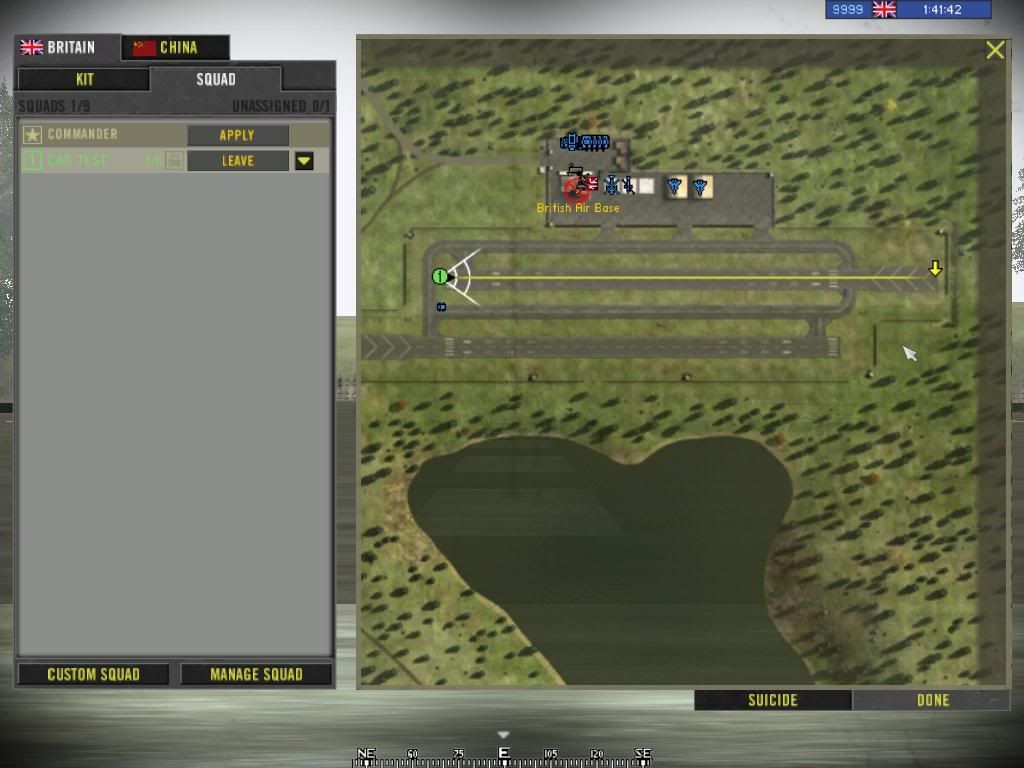
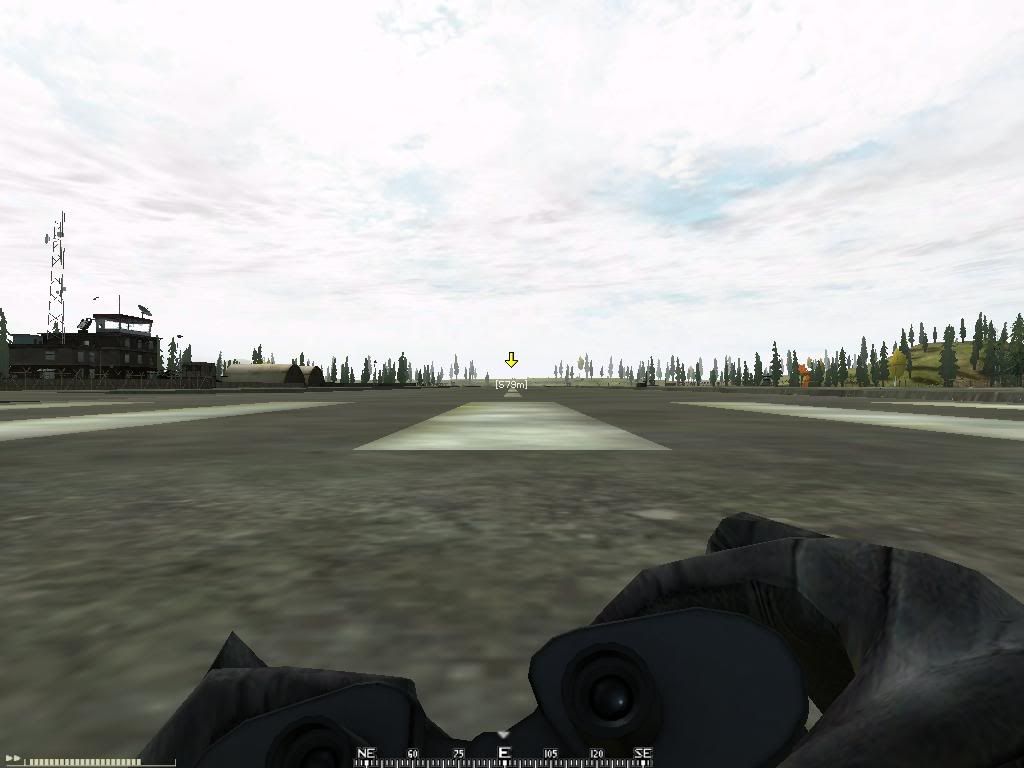
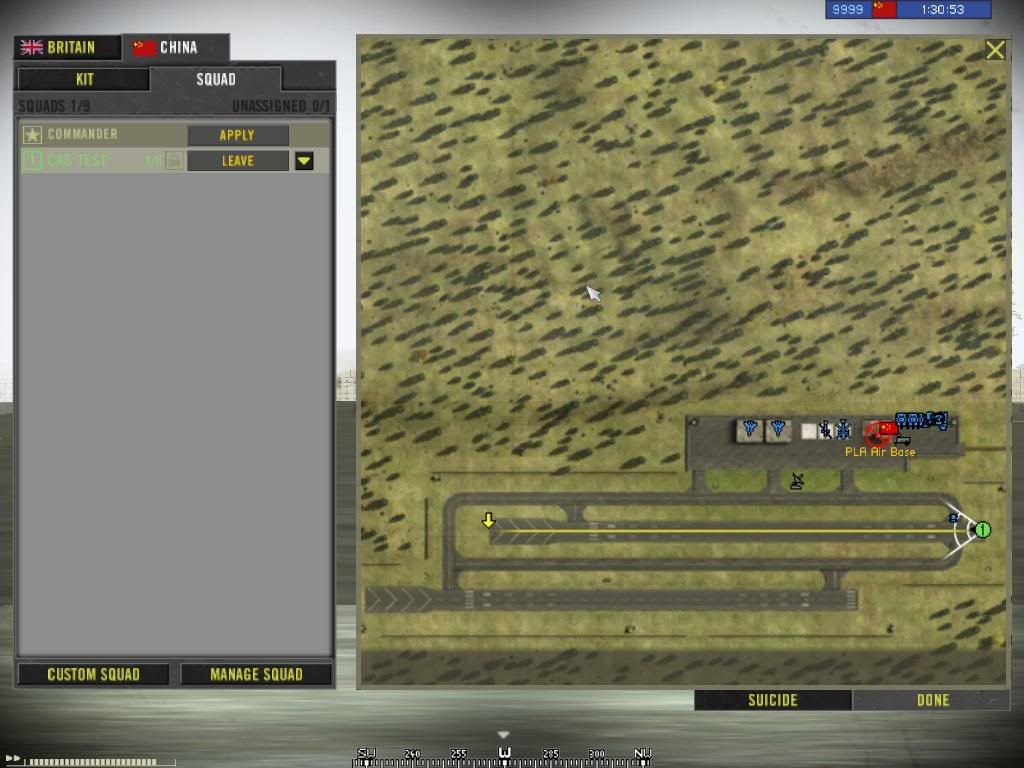
Thus, I taken surveys of the aircraft length and brought up this proposition, without making them excessively long of course. Currently the airfields on the "Battle for Qinling" map are roughly 575 meters long. Adding another 225-275 meters on top of what we have now would bring them from 800-850 meters in length and provide just enough room for these exceptionally large Fighter-Bombers to land. Although in my own personal opinion these runways should be 1,000 meters in length for a more realistically sized airfield, we'll have to make due with 800-850 meters to keep map alterations to a minimum and a manageable size for vehicles to travel around them.
The existing problem is that it feels as if these runways were tailored to fit the Typhoon EF-2000 jet fighter... This jet is an exceptionally remarkable aircraft with almost unbeatable handling, power and ease of operation. To build airfields around this jet would be a folly as most aircraft cannot possibly compete against it's potential abilities. Thusly a majority of other aircraft will fall short of expectations and result in players referring to other aircraft as being "unmanageable, slow and lacking power" which would make sense. This is why the airfields need to be altered and expanded further.
Please take note, the GR4 Tornado is one of the smallest of it's class. The U.S. F-15 Strike Eagle and MEC SU-34 Flanker has not even been introduced into the modification yet and they are just as large as the Chinese SU-37. If we're to make preparations for their introduction, then airfield size MUST be increased. These scrawny 575 meter landing strips will not suffice by any means and will result in future build setbacks and negative player feedback. This cannot be allowed to occur.
For now, the GR4 Tornado has just enough abilities to land at the British airfield on the northern most runway. To attempt a landing on the southern runway would force most pilots to approach at a steep angle and result in crashing or causing damage to the vehicle on touchdown. However after rigorous testing, the Chinese SU-37 still cannot make a proper landing as the airfield is far too short. Even the best pilot may be able to land the aircraft, but will be unable to stop it in time to prevent it from crashing into the taxiways or perimeter fencing.
Also, airfields structured like the one seen on the Chinese team on the "Battle for Qinling" map can no longer be allowed to exist. There must be 2 runways that allow a pilot to take off into combat in one direction, and another runway that allows the aircraft to land in the opposite direction. On the other hand, the British teams vehicle spawn points at the main base is on the side furthest away from combat. This is not acceptable as it forces vehicles to have to go around the perimeter of the airfield to exit the area. This will proceed to make exiting a main base difficult if airfield runway size is increased.
To explain the most ideal airfield built would be as follows... Take the British main base / airfield set up and place it in the South Eastern (Bottom Right) corner of the map. Then make a near identical layout for the Chinese team (Of course the buildings and hangers will be different.), mirror and flip it over on the North Western (Top Left) corner of the map. Voila, better airfields and better results.
So to get back on the previous topic... The necessity to expand the length of these runways to facilitate proper landing of aircraft is becoming a significant and ongoing problem even from previous patches. These steps must be taken to provide adequate landing space.
Rules and Guidelines for all Airfield establishments:
A. All airfield establishments MUST have a runway that is at least a minimum of 800-850 meters long in length.
B. All airfield establishments MUST have a runway that allows Pilots to take off into combat. This runway also must be the closest to the aircraft spawn point.
C. All airfield establishments MUST have a runway that allows Pilots to land away from combat. This runway also must be the furthest from the aircraft spawn point.
D. All airfield establishments MUST NOT be obstructed by vegetation that endanger the aircraft's operation.
E. All airfield establishments MUST NOT be obstructed by geography that endanger the aircraft's operation.
F. All airfield establishments MUST NOT be obstructed by structures that endanger the aircraft's operation.
G. All airfield establishments MUST NOT force the Pilots to land the aircraft at an angle greater than 0° - 35° maximum.
Rules and Guidelines for Jet Aircraft units:
A. All jet aircraft MUST reach 100% throttle for a critical minimum of 1 full second before the aircraft begins rolling / taking off.
B. All jet aircraft MUST NOT exceed a critical maximum landing speed above 750 kmh.
Following these guidelines will provide a more practical and adequate means for landing aircraft.
The importance of aircraft being able to reach 100% throttle before rolling / take off will allow an efficient use of valuable runway space and provide sufficient engine power to be established prior to taking off. Also aircraft CANNOT ever be allowed to exceed a critical maximum landing speed above 750 meters. Any aircraft landing at speeds of 750kmh or more do not possess enough stopping power to slow the vehicle down to a halt in enough time before the aircraft will reach the end of the runway. Speeds of 750kmh or more usually result in the aircraft taking damage while landing or causing the aircraft to crash into the perimeter fencing surrounding the airfield itself.
To put things into perspective, the F-16 is estimated to land at 260-280 mph, which is the equivalent of landing at roughly 418-450 kmh. Currently aircraft in PR land from an average of 372-466mph or otherwise 600-750kmh. As you can see this is a rather fast landing and nearly almost double the realistic values.
On another note... Aircraft dating back to and before the WW2 era had a mechanical wing extension referred to as "flaps". These items allow aircraft to fly at a much slower speed with a greater amount of lift and control. Also "flaps" allow the aircraft to descend in altitude but at the same time allow the plane to keep it's nose level upon approach or in the event of an emergency the ability to pull up and accelerate out of harms way. Remember, the Battlefield 2 engine does not have the vital component of "flaps". So maps must be designed to facilitate an adequate landing approach with that in mind considering the limitations of the Battlefield 2 engine.
Anyways... The fact of the matter is, at this point and time Jet Piloting in PR is almost over the top. Even as a seasoned Pilot myself there are very rare occasions where even I cut it close to overshooting the runway and/or crashing into the perimeter fencing. Project Reality needs to provide better accommodations for airfields and runways. As even the most sloppy of acceptable landings should provide adequate room to land without worrying to crashing the aircraft into a wall. Last thing a Pilot should worry about is "Do I have enough room to land?" and allow him to concentrate more on getting his wheels on the ground as quickly and cleanly as possible. Then proceeding to conducting another sortie shortly thereafter.
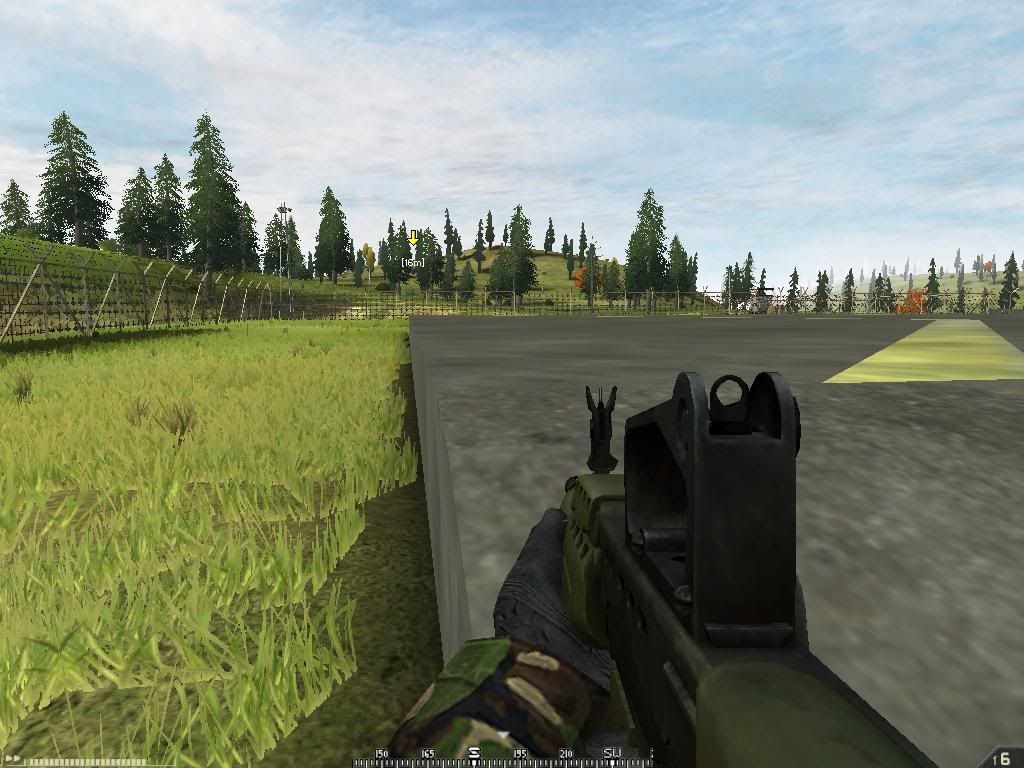
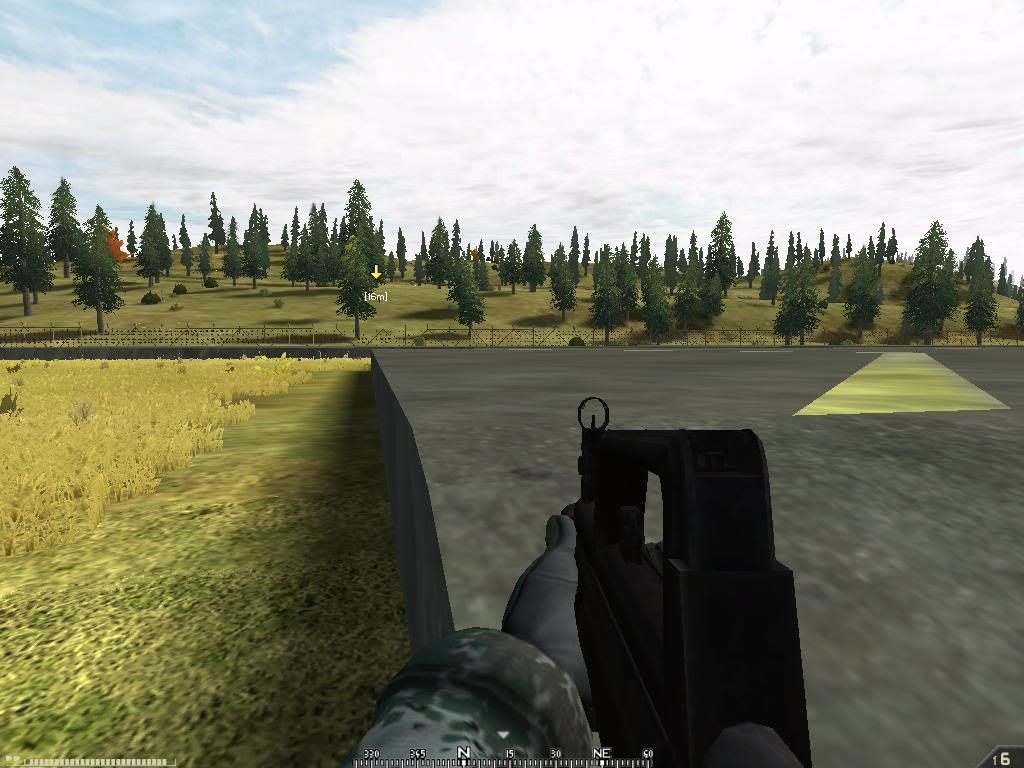
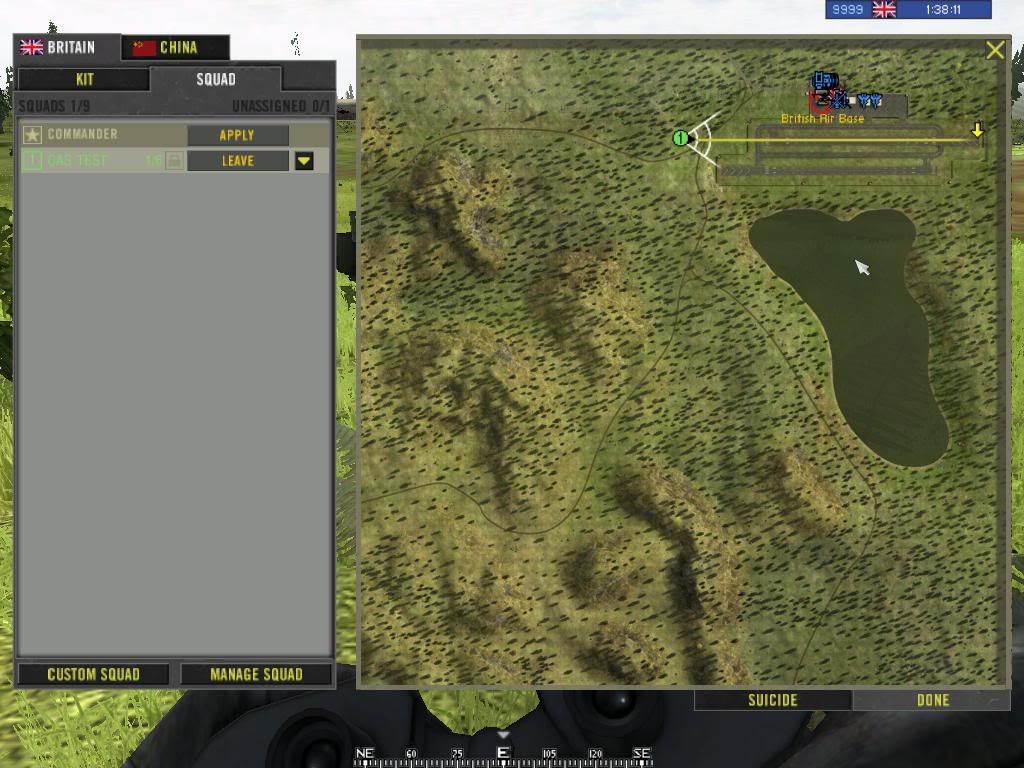
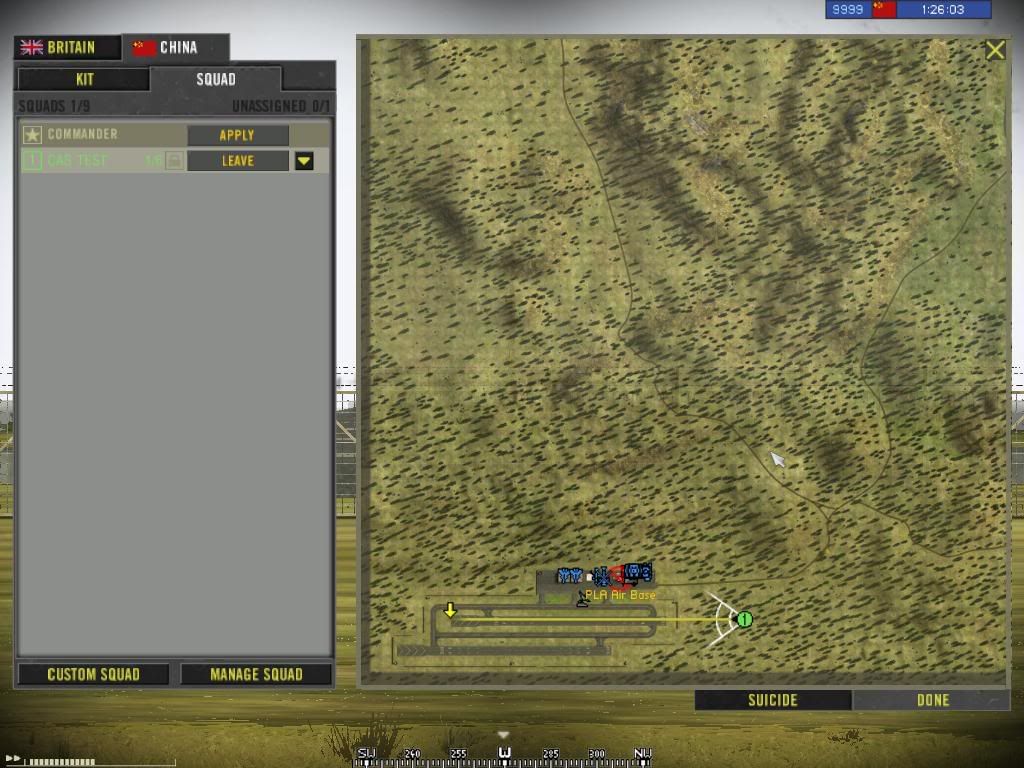
Current Gameplay:
British Airfield - Start
Chinese Airfield - Start
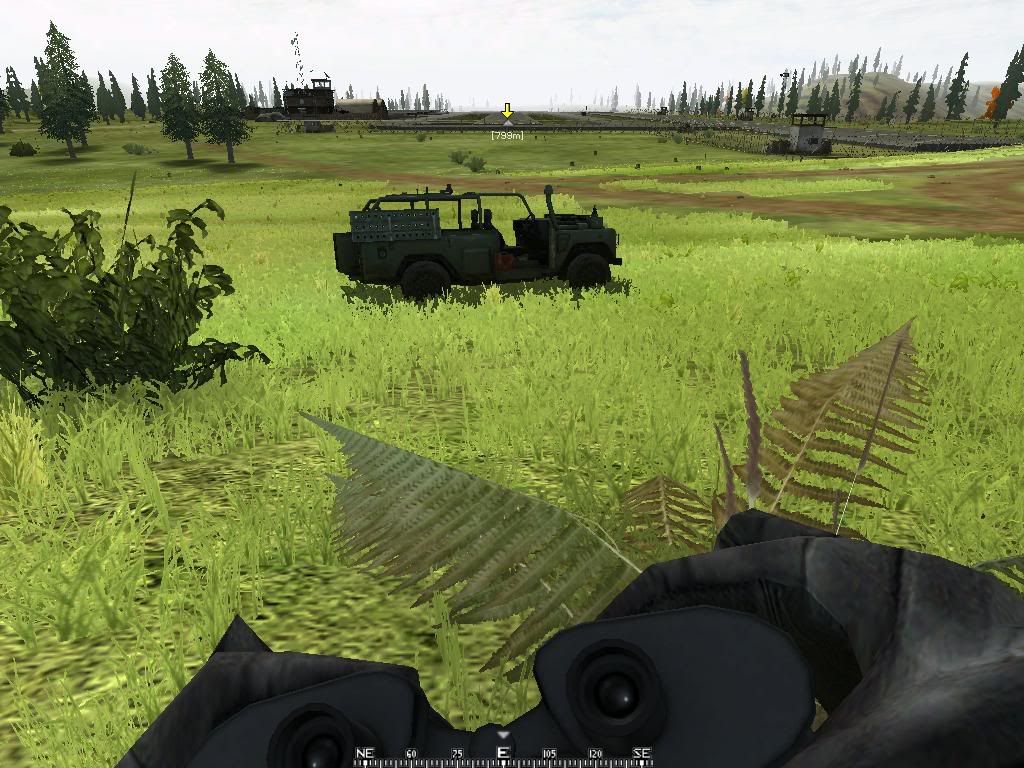
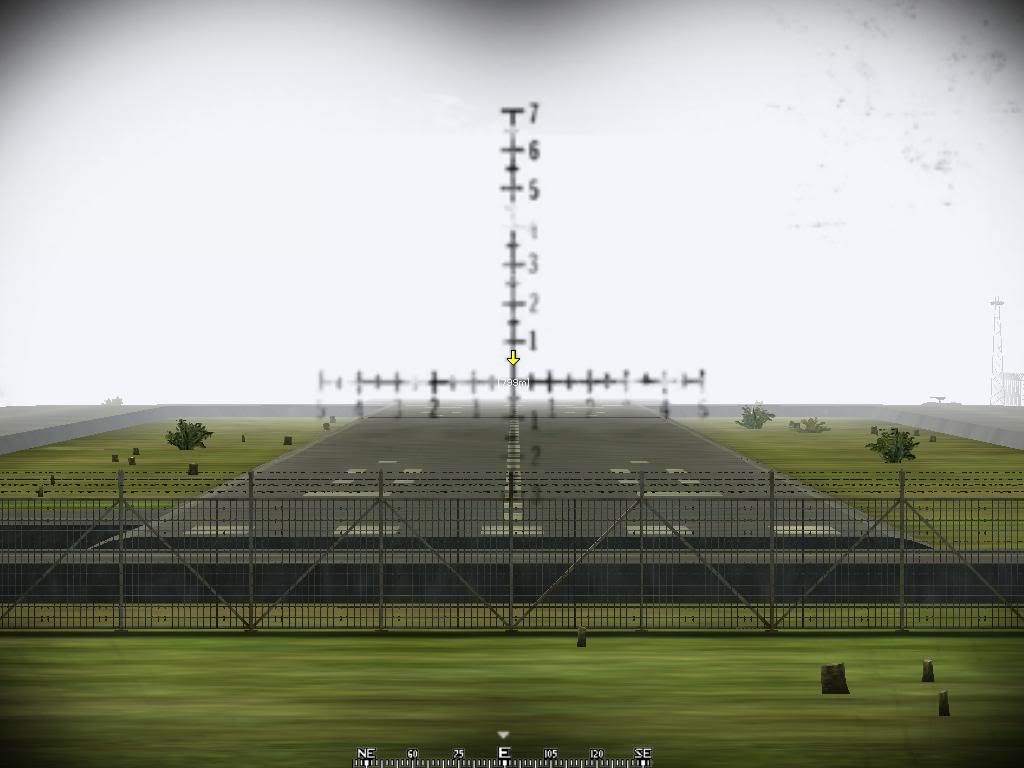
Current Issue:
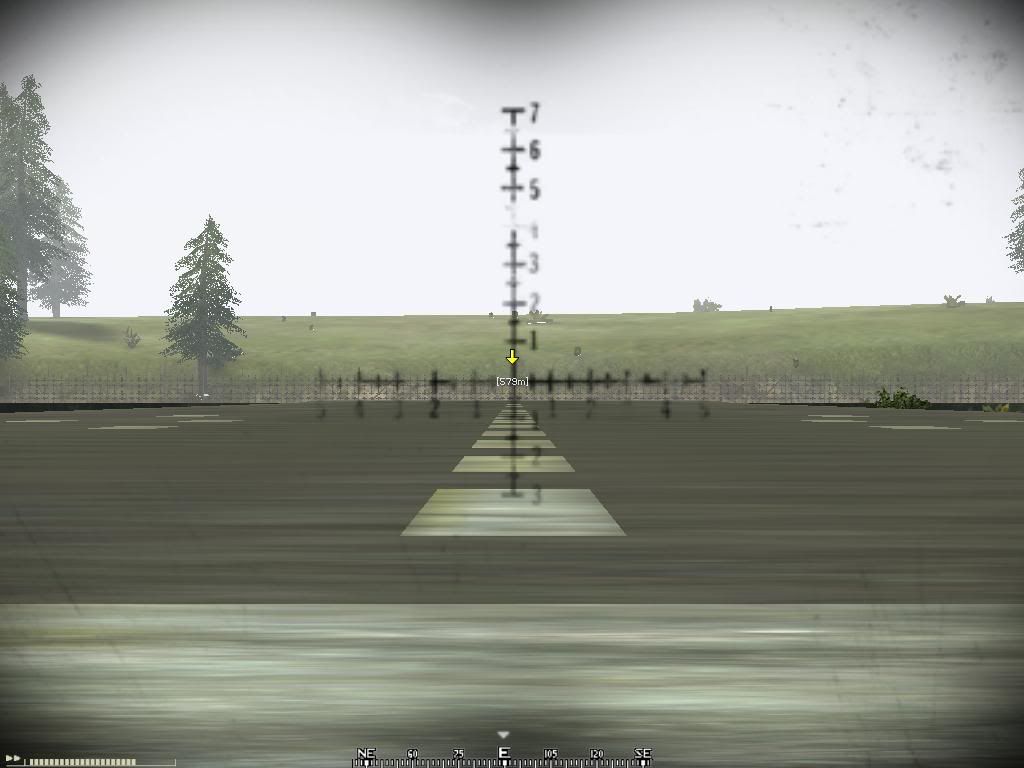
British Airfield - Short Runway Map (579m)
British Airfield - Short Runway View (579m)
British Airfield - Short Runway Binoculars (579m)
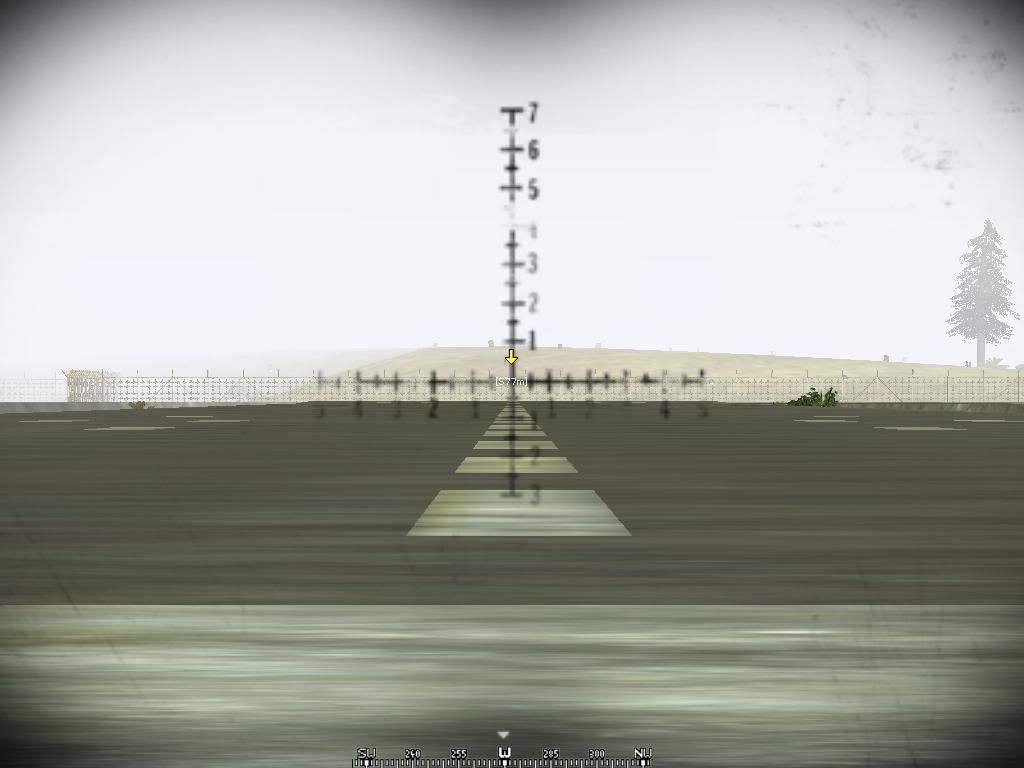
Chinese Airfield - Short Runway Map (577m)
Chinese Airfield - Short Runway View (577m)
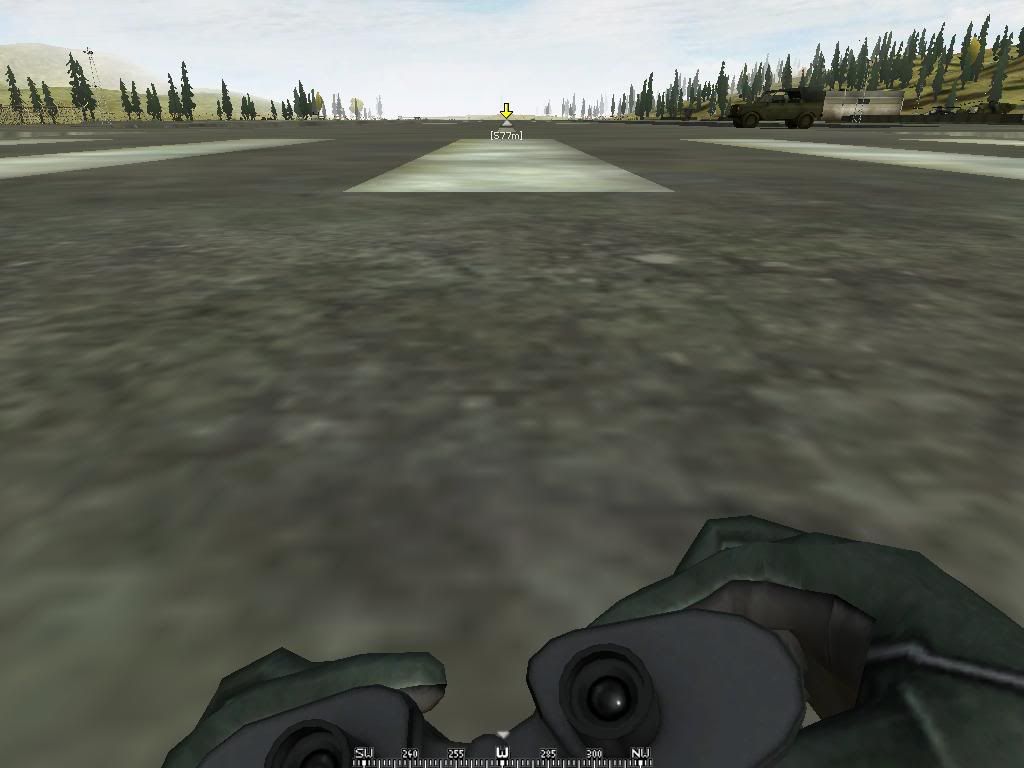
Chinese Airfield - Short Runway Binoculars (577m)
Improved Solution:
British Airfield - Long Runway Map (799m)
British Airfield - Long Runway View (799m)
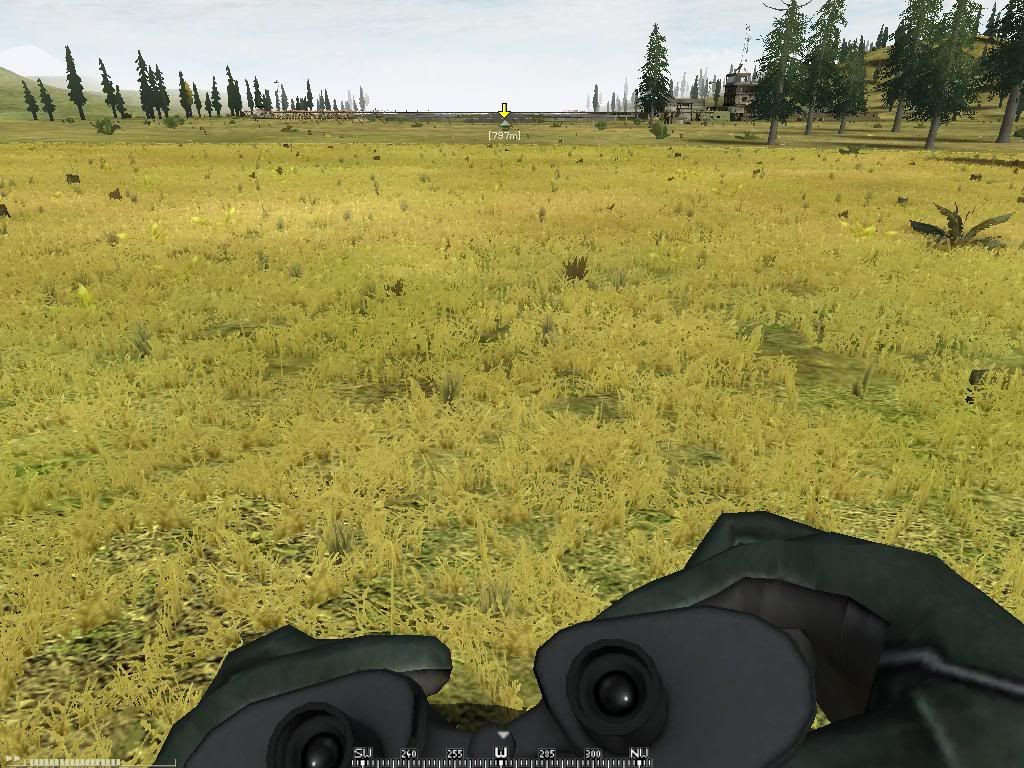
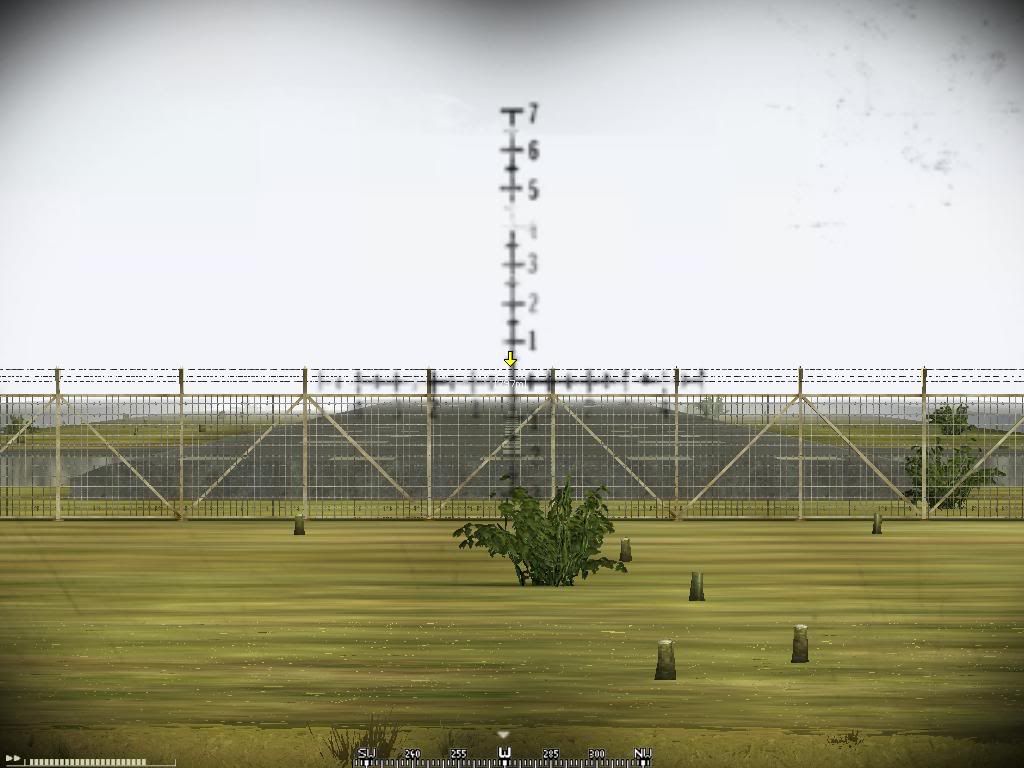
British Airfield - Long Runway Binoculars (799m)
Chinese Airfield - Long Runway Map (797m)
Chinese Airfield - Long Runway View (797m)
Chinese Airfield - Long Runway Binoculars (797m)
- Increase the runways from a standard 590 meters to a minimum of 800 to 850 meters long.
- Remove and/or alter map geography to accommodate Jet Aircraft to land properly as stated above.
III. Airports and Runway Limitations -
The point I'm emphasizing is the limitations or insufficient qualities in the length of the runways, geography, and vegetation issues that are surrounding airports.
Now I can see where people may say "It's realistic to have difficult approaches on runways." however, the point is that we don't have the aircraft functionality to be enduring these kinds of situations. The conflict begins between the desire for realism, and the belated and inevitable realization that most aircraft simply cannot perform adequately under these conditions.
Even while flying in the training mode, I have repeatedly and successfully landed the Tornado and other aircraft before on the Kashan Training map. It's clear that Kashan desert offers little to no obstruction of the runways and almost all degrees of pilot error and aircraft limitation are not met.
My emphasis and repeated attempts to explain the necessity of elongating the runways an additional 150-250 meters (most preferably, the latter.) would provide an adequate amount of space for aircraft both present and future. The problem is that the runways currently in PR offer just enough space for the Mig-25, F-16 and EF2000 which is on the far left in ease of control and maneuverability. However, at the time when these runways were created, aircraft on the far right in difficulty in control and maneuverability such as Fighter-Bombers were not in mind (PR Build v0.7 - v0.75) Thus, we remain in a consistent situation of inadequate runway space that has been released time and time again without confrontation or remedy of the situation.
The problem is that the runways are just adequate enough to land the jets in the Very Easy, Easy, and Moderate category with barely just enough room to spare at times. The runways are insufficiently long, and not suited for larger or difficult aircraft in the Hard or Very Hard category.
In other words..
You are not going to land something that handles like THIS
<Note: This isn't fake. This is St. Maartin / Princess Juliana Airport.>

On something like THIS

Of course this may seem a bit out of proportion. But it must be realized that no matter what may be done, adequate runway size and space is a necessity in order to land certain aircraft. Even if this means modifying and already existing map. It must be done to support what aircraft need in Project Reality and it still remains unresolved at this time.
The only reason why people haven't complained about it sooner or in sufficient numbers is because:
- There are only 2 maps in Project Reality that involves Jet Aircraft.
- There are very few players that actually care about the proper use of Jet Aircraft.
- The situation has been deemed "low priority" since the v0.7 build and on.
- Thanks to the new short range AA missile system, the combat life expectancy of Jet Aircraft are about 5-10 minutes or less. This limits the influence of enemy air power in the skies to a level that no one notices anymore.
- Most players do not train in the proper use in Jet Aircraft and crash the aircraft before it ever leaves the hangers or taxiway.
- The landing issues are far too subtle to be determined by a beginner pilot. They blame themselves first for pilot error before they come to the realization that the aircraft does not perform properly and cannot be landed on certain runways. Thus, the necessity to increase the length of runways has been born.
IV. Indicators of Airport and Runway Inadequacies:
The below mentioned situations and results are in comparison to these factors:
Airport / Runway difficulty:
Hard: "The Battle for Qinling"
Jet Aircraft difficulty:
Hard: J-10
Now onto the landing approach... Keep in mind that these can be the results of a beginner pilot who is not familiar with proper landing techniques. Or. A veteran pilot who is trying to do his best to adjust his landing approach because of known landing factors and the limitations of the Airport and/or Runway.
1A. Situation - The pilot attempts to land at the very end of the runway so that he has enough time to slowdown to a stop.
1B. Result 1 - The pilot begins his approach. He attempts to "Flare" his aircraft by pulling up and pivoting the aircraft so that his rear landing gear will come in contact with the runway first. The jet aircraft does not respond as necessary and is unable to pull the nose up in time. The aircraft stalls and crashes before it reaches the runway.
1C. Result 2 - The pilot begins his approach. He attempts to "Flare" his aircraft by pulling up and pivoting the aircraft so that his rear landing gear will come in contact with the runway first. The jet aircraft does not respond as necessary and is unable to pull the nose up in time. The aircraft crashes directly into the runway.
1D. Result 3 - The pilot begins his approach. He does not attempt to "Flare" his aircraft by pulling up and pivoting the aircraft so that his rear landing gear will come in contact with the runway first. He instead flies directly towards the runway nose first. The aircraft touches down and drives it's front landing gear directly into the runway and it plunges beneath the surface of the runway itself. Now the aircraft is stuck in the runway and not too shortly thereafter it twirls violently out of control and explodes.
2A. Situation - The pilot attempts to land in the middle or slightly before the middle of the runway so that he avoids the possible problems as seen statements 1B-D above.
2B. Result 1 - The pilot has landed the aircraft properly, however there is not enough room to slow the aircraft down. The result is that he loses all the necessary runway space to stop and overshoots the runway ending up into the fence and destroying the aircraft.
2C. Result 2 - The pilot has landed the aircraft properly, however there is not enough room to slow the aircraft down. The result is that he loses all the necessary runway space to stop and overshoots the runway and dismounts from the aircraft. The pilot is then injured or dies in an attempt to sacrifice himself in order to save the Jet Aircraft and bring it to a halt.
2D. Result 3 - The pilot has landed the aircraft properly, however there is not enough room to slow the aircraft down. He then makes a desperate maneuver to save his own life and the aircraft by veering off the runway and into the adjacent grassy areas and/or taxiway ditches. Now the vehicle is stuck and will most likely be destroyed upon attempt to climb back onto the runway.
V. Conclusion -
Once again... I've repeatedly tried to explain these situations time and time again.
It's time to elongate the runway from the barely adequate length of 590meters, to a sufficient length of 800 to 850 meters long. This will easily throw a blanket over a large majority of issues Jet Aircraft face in the present, and most likely will resolve any further issues that may appear in the future for aircraft that has not yet been introduced.
Let's kill 2 birds with one stone here... Adjusting the engine values for aircraft is far too time consuming and tedious to be effective in the long run and will not be the solution for future problems as a whole.
This may have not been the most thorough of my posts, but there are a multitude of other things that apply to certain situations. I tried to keep it as generalized and to the point as possible while remaining to be sufficient in describing the nature of this issue. That's it really. I simply can't beat a dead horse any longer, the facts are on the table for all to see. Let's hope we see this resolution by the v0.9 build as a number of pilots including myself have remained unheard for a long, long time and patiently waiting for this day to come.
Patient bear can't be patient much longer.
____________________ END ____________________
That is all for now, thank you for reading.

 )
)

 But I love qinling! Assets just need sorting our regarding many issues not suitable for this thread, but I think the map itself is great for combined arms.